Product Categories
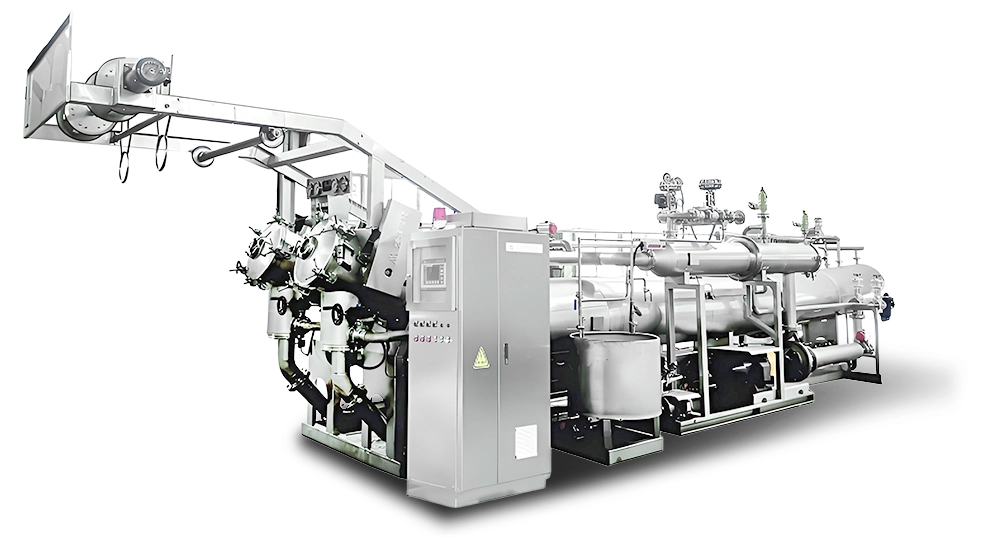
The Main Purpose
Dyeing, Untwisted, Preshrinking, Reduction and other ultra-low liquor ratio diverse processing.
Applicable Cloth Types
The most of woven and warp knit fabrics; some of knitting. Polyester, T/R, T/C, Nylon, Rayon, Tencel, Filament......Dyeing and processing of fabrics.
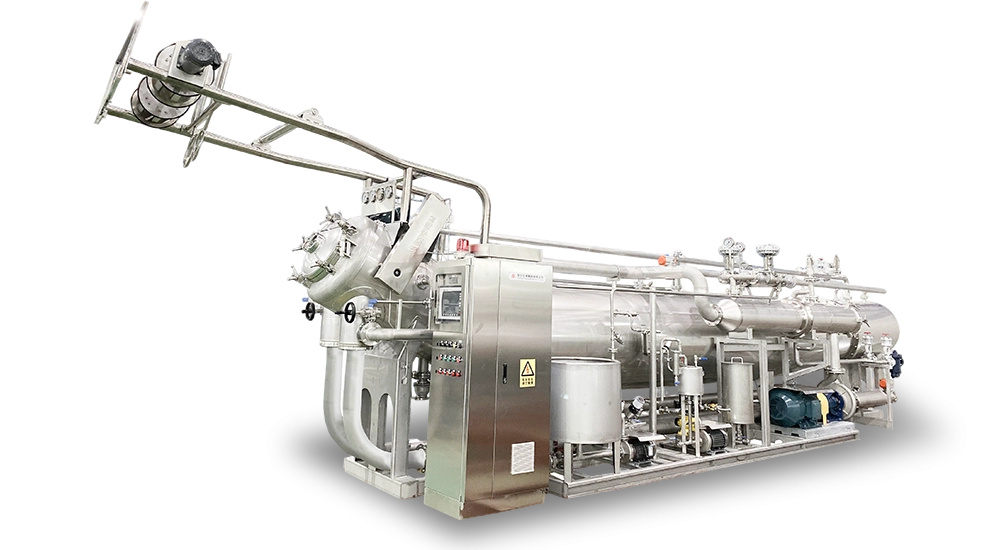
The Main Purpose
Dyeing, Untwisted, Preshrinking, Reduction and other ultra-low liquor ratio diverse processing.
Applicable Cloth Types
Polyester, Nylon/Spandex, Polyester/Spandex, Polyester/Cotton, Polyester-viscose, Plush,Home Textiles……Dyeing process of such tissue fabric.
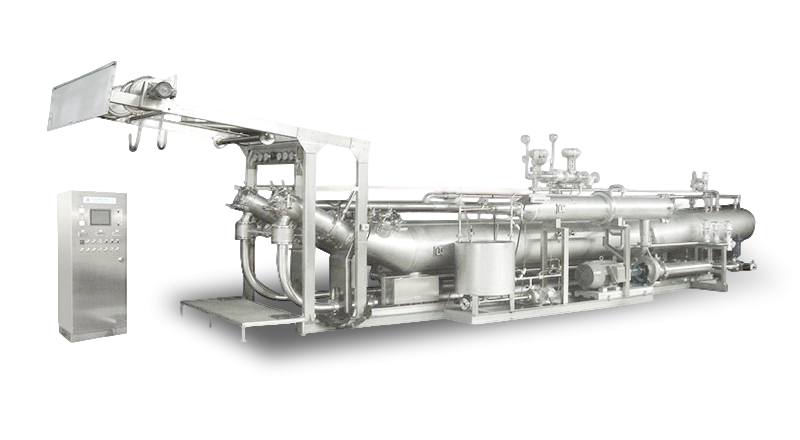
The Main Purpose
Dyeing, Untwisted, Preshrinking, Weight Reduction and other ultra-low liquor ratio diverse processing.
Applicable Cloth Types
The most of woven and warp knit fabrics; some of knitting. Polyester, T/R, T/C, Nylon, Rayon, Tencel, Filament......Dyeing and processing of fabrics.
The Main Purpose
Dyeing, Untwisted, Preshrinking, Reduction and other ultra-low liquor ratio diverse processing.
Applicable Cloth Types
Nylon/Spandex, Cotton/Spandex, Polyester/Spandex, T/C, T/R, Suede velvet, Super-soft velvet……Dyeing process of such tissue fabric.
The Main Purpose
Dyeing, Desizing, Unoil, Reduction and other ultra-low liquor ratio diverse processing.
Applicable Cloth Types
Polyester, Polyester/Cotton, Polyester-viscose, Cotton/Spandex, Cotton……Dyeing process of such tissue fabric.
The Main Purpose
Dyeing, Untwisted, Preshrinking, Reduction and other ultra-low liquor ratio diverse processing.
Applicable Cloth Types
Polyester , T/R, T/C, Cotton, Polyster with Cotton,Rayon......Dyeing process of such tissue fabric.
Zhejiang Yadong Machinery Co., Ltd. has been dedicated to the research, development, and manufacture of high-performance dyeing and finishing equipment since 2001. Headquartered at No. 375, Xichuan Road, Haining City, Zhejiang, China, the company is recognized as one of the leading high-tech dyeing machinery manufacturers in the country. With an annual production capacity exceeding 1,000 units, a workforce of over 210 employees, and more than 60 registered patents, Yadong delivers engineered solutions that serve textile producers across Vietnam, Indonesia, Pakistan, Turkey, India, Egypt, and beyond. To learn more about the company's background, certifications, and global partnerships, visit the company profile.
The current product range is organized into two core categories of liquid flow dyeing machines — each engineered for distinct processing requirements, fabric types, and production scales. Both categories share a commitment to ultra-low liquor ratio operation, energy-efficient design, and precise temperature and pressure management.
A liquid flow dyeing machine circulates dye liquor through the fabric continuously via a high-pressure nozzle and pump system, enabling uniform color penetration under controlled temperature and pressure. The liquor ratio — the ratio of water volume to fabric weight — is one of the most critical process parameters in wet dyeing. A lower liquor ratio means less water, less energy to heat that water, less dye chemical consumption, and ultimately a smaller environmental footprint per kilogram of dyed fabric.
Conventional dyeing machines typically operate at liquor ratios of 1:15 to 1:20. Modern equipment engineering has pushed this boundary significantly lower, with advanced designs reaching ratios as low as 1:4 to 1:6, which dramatically reduces water consumption, wastewater discharge, auxiliary chemical usage, and heating energy. This technical advancement is central to Yadong's entire product philosophy, and both product lines below are built around this principle. For details on Yadong's broader commitment to environmental responsibility, see the sustainable manufacturing page.
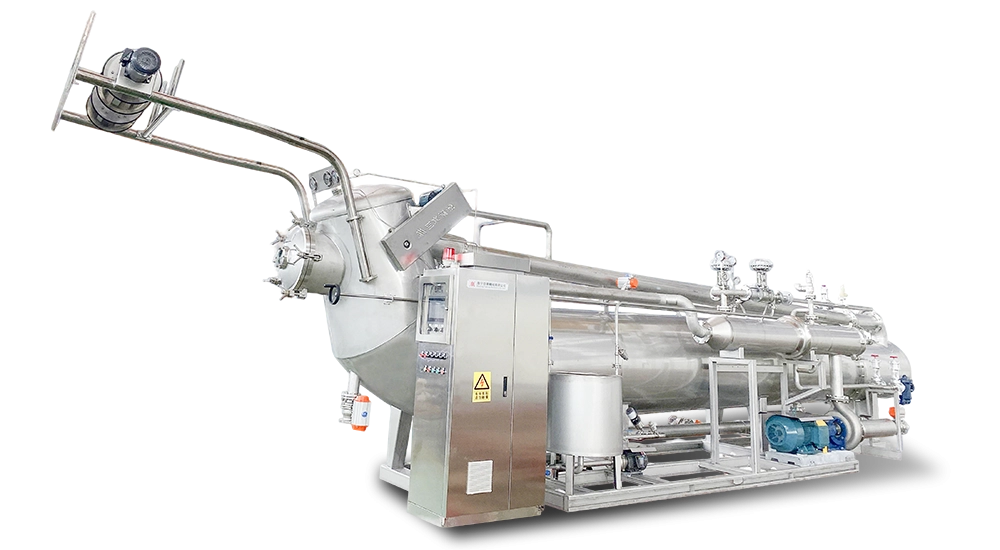
The HTHP liquid dyeing machine series is designed for processing a wide spectrum of synthetic and blended fabrics that require dyeing temperatures above 100°C. Operating at a maximum temperature of 140°C and a maximum pressure of 4 kg/cm², this series enables the reliable dyeing of polyester, nylon, Tencel, rayon, T/R, T/C blends, and filament fabrics that cannot be adequately dyed under atmospheric conditions alone.
The core engineering principle of this series is the combination of a high-flow nozzle with a high-head, high-quality main circulation pump. The nozzle design improves dye leveling by ensuring consistent liquor velocity across the full width of the fabric at every moment of the cycle. The main barrel uses a stepped or curved internal geometry so that after each pass through the nozzle, fabric enters the barrel quickly, piles up, and moves in a controlled wriggling motion. This prevents the prolonged compressive creasing that occurs in traditional machines when fabric stacks under gravity for extended periods, and it is especially important for fabrics prone to surface quality change.
An automatically speed-adjusted guide wheel system synchronizes roller speed with actual fabric running speed, reducing the probability of fabric abrasion, stretching, or winding that can result from speed mismatch between the mechanical transport system and the fluid-driven fabric movement.
The SK model is designed for the broadest range of woven and warp-knit fabrics, as well as some knitted structures. It supports single-tube and two-strand inputs, running at fabric speeds of 150 to 600 m/min. Capacity ranges from 150 kg per tube to 1,000 kg per tube depending on configuration. It is suited for polyester, T/R, T/C, nylon, rayon, Tencel, and filament materials, and supports dyeing, untwisting, preshrinking, and weight reduction processes. The liquor volume for the single-tube configuration ranges from 1,100 to 1,750 liters, and the double-tube version handles 1,200 to 1,900 liters.
The SP model is optimized for stretch and elastic fabric structures. It handles polyester/spandex, nylon/spandex, polyester/cotton, polyester-viscose, plush, and home textiles. The SP is particularly appropriate for knitted and woven stretch fabrics where tension control and dimensional stability during the dyeing cycle are critical factors in maintaining final fabric quality.
The SF model shares a similar fabric compatibility profile with the SK but is configured with structural differences suited to woven and warp-knit fabrics where weight reduction is a key process step alongside dyeing. It also handles polyester, T/R, T/C, nylon, rayon, Tencel, and filament, supporting the same ultra-low liquor ratio processes.
The HP model extends the HTHP series to cover pre-treatment processes. Beyond dyeing, the HP model is configured for desizing, de-oiling, and weight reduction of polyester, polyester/cotton, polyester-viscose, cotton/spandex, and 100% cotton fabrics. The inclusion of a high-temperature washing system as an option makes this model particularly well-suited to multi-step preparation and finishing workflows.
All models in the HTHP series are available with an optional configuration list that includes water/steam flowmeters, proportional heating and cooling devices, proportional dosing devices, meter length measuring devices, double barrel systems, cloth arrangement devices, head-lift water rolling devices, pH control systems, and high-temperature washing systems. This modular optional architecture allows the machine to be specified precisely for a given production process rather than requiring the buyer to pay for unused functionality.
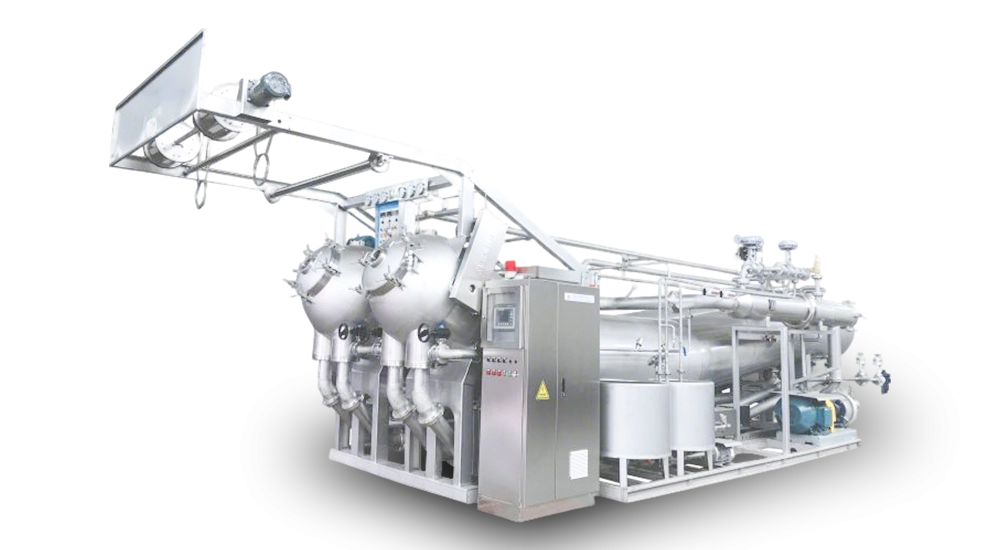
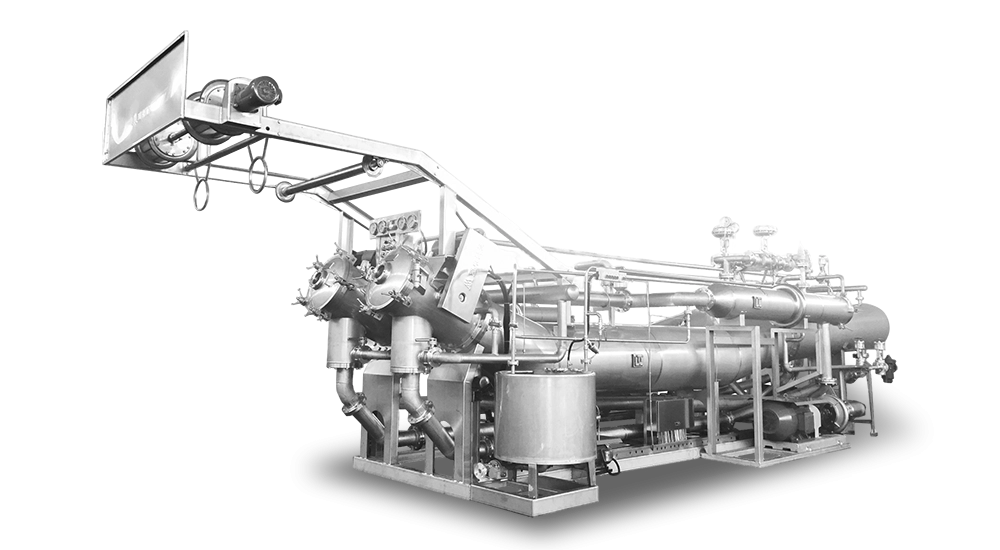
The ultra low liquor ratio liquid flow dyeing machine series pushes water consumption reduction even further, addressing the needs of manufacturers producing elastic, velvet, and high-density knitted fabrics that are mechanically sensitive and difficult to process without creating fabric damage or uneven dyeing.
The defining structural innovation in this series is the large-diameter single barrel with dual fabric groove configuration. Most conventional liquid flow machines use a single tube for a single cloth path. By housing two independent fabric grooves within one large-diameter barrel, this design solves the single-meter-length input limitation that restricts throughput when dyeing specific fabric types with tight construction constraints. Each groove has its own independent guide wheel system, so the lifting and transport process for each fabric path operates without mechanical interference from the other. This non-interference design enables both grooves to run simultaneously at high speed, improving machine utilization without compromising quality.
The stepped main barrel structure in this series is engineered to minimize fabric creasing caused by prolonged compression during accumulation. After each nozzle cycle, fabric passes the tail section and quickly enters the main barrel where it piles and moves in a wriggling pattern rather than compressing statically under load. This eliminates crease marks that are difficult or impossible to remove in downstream finishing, particularly for nylon/spandex, suede velvet, and super-soft velvet fabrics that are mechanically sensitive.
Water consumption in this series is reduced relative to conventional high bath-ratio machines by maintaining liquor volumes proportional to a significantly lower liquor ratio, directly reducing the energy required to heat the bath, the volume of water to drain at cycle end, and the chemical auxiliaries needed to achieve target dye exhaustion.
The MD model is built for stretch knits and delicate pile fabrics. Its applicable fabric types include nylon/spandex, cotton/spandex, polyester/spandex, T/C, T/R, suede velvet, and super-soft velvet. Available in four configurations — MD-1(2)-300, MD-1(2)-400, MD-2(4)-600, and MD-2(4)-800 — the MD covers a capacity range from 150 kg up to 800 kg, with main pump ratings from 30 HP to 75 HP. Liquor volumes range from 1,200 liters for the smallest configuration to 4,800 liters for the largest. Maximum operating conditions are identical to the HTHP series: 140°C and 4 kg/cm².
The MK model broadens the application scope of the ultra-low liquor ratio series to cover a wider range of staple fiber and blended fabrics. Suitable fabrics include polyester, T/R, T/C, cotton, polyester/cotton blends, and rayon. The MK model is designed for facilities that need the water and energy savings of ultra-low liquor ratio operation on more standard fabric substrates rather than exclusively on the elastic or velvet fabrics the MD specializes in.
Both models support dyeing, untwisting, preshrinking, and reduction processes. Both share the same optional configuration list as the HTHP series, including proportional dosing, pH control, high-temperature washing, and cloth arrangement devices.
Both series operate at identical rated maximums of 140°C and 4 kg/cm², and both use high-flow nozzle systems with high-head circulation pumps. The key differentiation lies in the barrel geometry and mechanical fabric handling design.
The HTHP series uses a standard single-path or dual-strand tube structure with guide wheels that automatically match roller speed to fabric running speed. This design is optimized for woven, warp-knit, and lighter-weight synthetic fabrics where the primary challenge is uniform dye penetration at elevated temperature and pressure rather than the prevention of mechanical surface damage.
The ultra low liquor ratio series uses the large-diameter dual-groove barrel structure with independent guide wheels per groove. This is optimized for fabrics where mechanical sensitivity, piling density, and surface quality are the dominant process concerns — specifically elastic knits, velvet, and pile structures that cannot tolerate the tension variation or compression forces common in single-path designs.
For buyers evaluating which system fits their production requirements, the technical support section provides detailed guidance, and a service ticket form is available for specific technical inquiries.
Yadong's dyeing and finishing equipment is manufactured under a quality management framework that includes ISO 9001 quality management system certification, ISO 14001 environmental management system certification, ISO 45001 occupational health and safety management system certification, and CE certification. The company also holds a Pressure Vessel Production License and a Pressure Pipeline Flange Production License, both of which are regulatory requirements for manufacturing equipment that operates under pressure at elevated temperatures. Details on all certifications are available under the honor and certification section.
Production is managed through an ERP and MES integrated digital workshop system, supported by automated Alibaba Cloud warehouse management, and organized under a 6S management methodology. These systems allow production scheduling, quality traceability, and component inventory to be managed with precision across an annual output exceeding 1,000 machines. Information on the full scope of production equipment and manufacturing capabilities is detailed on the production equipment page.
Yadong's customer base includes major textile manufacturers across China, with long-term supply relationships established with Shenghong Group, Hangmin Group, Sanyuan Holdings, Zhejiang Yingfeng, and Fujian Xiangxing, among others. Internationally, the equipment is operating in dyeing facilities across Southeast Asia, South Asia, the Middle East, and North Africa. A full overview of global distribution and partnership networks is available on the global and partner page.
Industry applications served by this equipment include apparel fabrics, sportswear, home textiles, automotive interior textiles, plush and velvet products, and technical fabric processing. The breadth of compatible fabric types across both series — from filament polyester and Tencel through to cotton/spandex and suede velvet — positions Yadong's dyeing and finishing equipment as a generalist platform capable of meeting the requirements of most wet processing operations in the apparel and technical textile sectors.